

As the crisp autumn air settles in and pumpkins dot the landscape, Greenville, South Carolina, transforms into a Halloween wonderland filled with thrills and chills. Whether you’re a ghost hunter seeking spooky adventures, a family looking for festive activities, or a fan of classic horror films, this year’s lineup of Halloween events promises something for everyone. From haunted tours and pumpkin patches to community festivals and creative costume contests, the Greenville area is buzzing with excitement. Keep scrolling to check out some awesome events happening in the Upstate, SC area!
Boo in the Zoo
Family Friendly | Ticket Required
Boo in the Zoo at the Greenville Zoo is a family-friendly Halloween celebration perfect for kids of all ages. Held in late October, this event features trick-or-treating throughout the zoo, allowing little ones to collect candy while enjoying the festive decorations and costumed characters. In addition to the treats, attendees can participate in fun activities, visit the animals, and experience the zoo transformed into a spooktacular wonderland. It’s a fantastic way to celebrate Halloween while creating lasting memories with family and friends!
Madworld
Ticket Required
Madworld, located in Piedmont, SC, is gearing up for an exciting 2024 haunted house season, with crews working tirelessly since November to craft a brand new set of experiences. This year, visitors can explore a thrilling haunted house and trail, designed to deliver heart-pounding scares and unforgettable moments. In addition to the frightful fun, Madworld also offers mini golf and axe throwing, making it a perfect destination for both thrill-seekers and those looking for a unique outing.
Ghoulish Goods & Brews Market
Family-Friendly | Pet-Friendly | Free Admission
Get ready for a spooktacular time at the Ghoulish Goods and Brews Market, where Halloween vibes reign supreme! Dress in your spookiest, kookiest costume and join in on the fun, featuring delicious food, tasty drinks, and exciting activities like trick-or-treating, face painting, and a mobile petting zoo. With over 40 local small businesses set up outside the beloved Thomas Creek Brewery, this family and pet-friendly event is the perfect opportunity to support your community while enjoying a festive atmosphere. Don’t miss out on a day filled with shopping, laughter, and Halloween spirit!
Spooky Terrarium Workshop
Family Friendly | Ticket Required
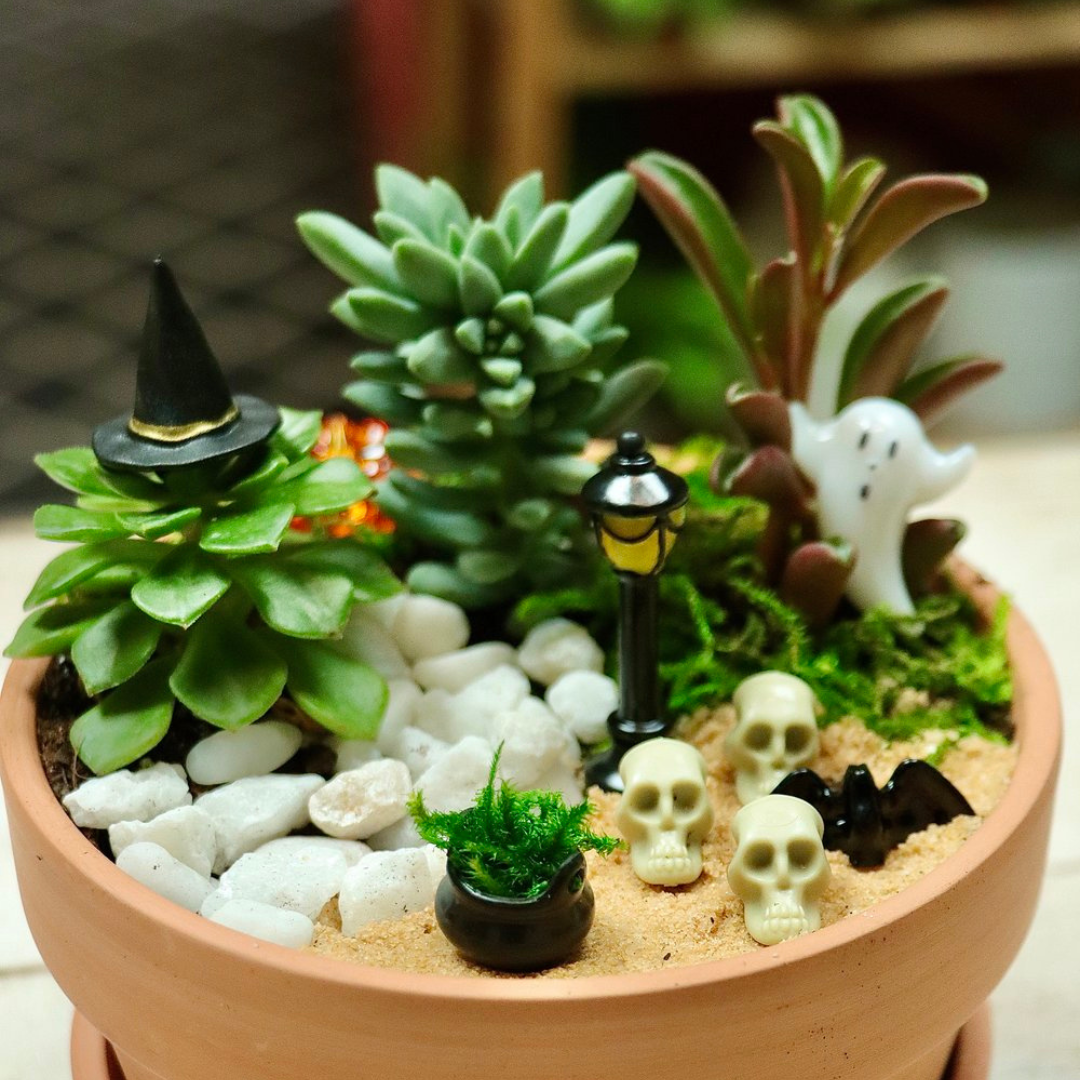
Calling all plant lovers! Sun and Soil on Augusta Road is hosting a spooky succulent garden workshop that’s perfect for getting into the Halloween spirit. With step-by-step instructions provided, attendees will learn how to build a succulent garden as well as successfully care for it long term. The ticket includes all materials needed, and guests are encouraged to BYOB if they’re 21 or older. Plus, participants will enjoy a special 15% discount on all Sun and Soil Plant Parlor items that night.
Greenville Ghost Tours
Ticket Required
Greenville Ghost Tours offers captivating guided tours that explore the haunted history of Greenville, South Carolina, and are available year-round. Participants can delve into the eerie tales of ghostly apparitions and mysterious happenings as they stroll through the city’s historic streets. Led by knowledgeable guides, these tours provide a unique blend of local lore and chilling narratives, making them a perfect outing for both history buffs and thrill-seekers. Whether you’re a resident or a visitor, experiencing the spooky side of Greenville promises to be a memorable adventure!
BOO!Seum: Trick-or-Treat at TCMU
Family Friendly | Ticket Required
Tickets are now on sale for BOO!seum: Trick-or-Treat at TCMU! Guests are invited to don their most fabulous costumes and head to The Children’s Museum of the Upstate (Greenville or Spartanburg location) for a fun-filled day of candy-collecting as they navigate through the eerie-sistible museum. In addition to loads of treats, attendees can enjoy mad scientist experiments, face painting, carnival games with prizes, witch hat ring toss, and pin the eye on the monster. Plus, there will be opportunities to explore the science of bubbles, enjoy food trucks, and save 20% on Halloween items at The TCMU Store. They are also offering a Sensory-Friendly Trick or Treat event the following day for an inclusive celebration.
Moonlight Movies
Family Friendly | Free Admission
Join the fun at Moonlight Movies at Falls Park this October, featuring a lineup of spooky films including Practical Magic, The Addams Family, and Haunted Mansion. Guests are encouraged to arrive early to secure a good spot and participate in trivia before the movies begin at sundown. Enjoy delicious offerings from local food trucks and Poppington’s Popcorn on-site, or feel free to bring your own picnic, chairs, or blanket. It’s the perfect way to enjoy a cozy night under the stars with family and friends!
Howl-o-Ween
Family Friendly | Pet Friendly | Ticket Required
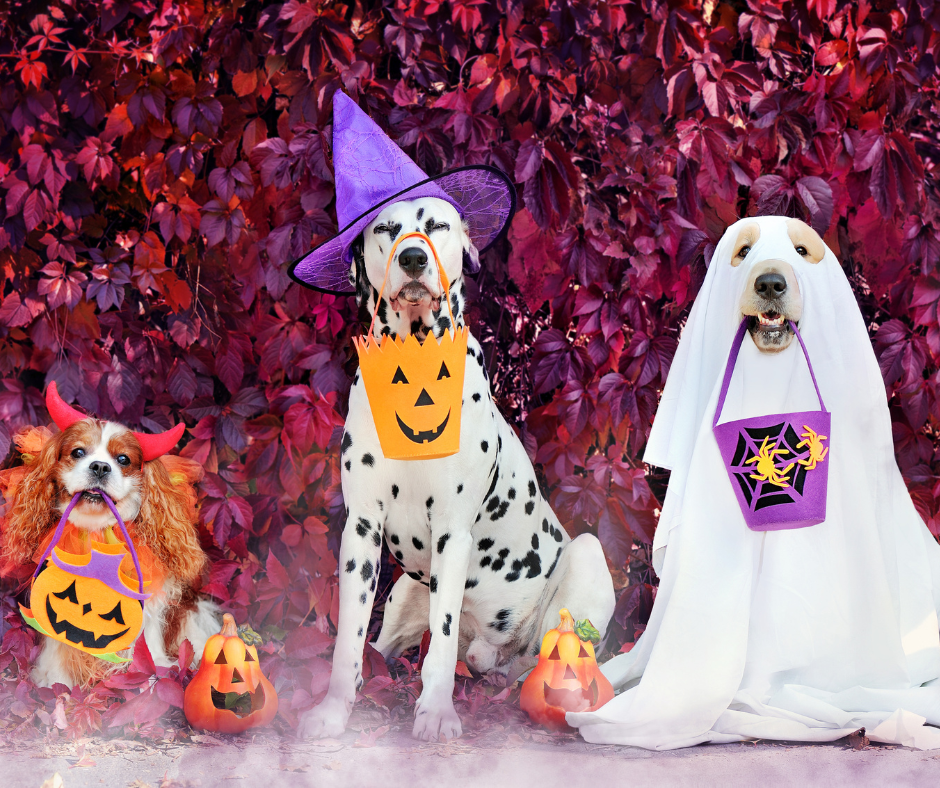
Get ready for a spooky yet adorable celebration at the Howl-O-Ween Doggy Parade & Bash! This year, the parade will kick off at the Mauldin Cultural Center (time TBA) and will feature the beloved Bark Yard dogs, along with community partners and their top customers. Participants will parade around the cultural center and down Murray Drive to The Dapper Dog Bark & Brew Bar, where they can grab a coffee for an extra dose of pumpkin spice before the festivities begin. The bash at The Dapper Dog Bark & Brew will be filled with fun activities! Attendees can look forward to a Doggy Costume Contest, Halloween crafts, a Bark Yard Hay Bale Maze, a silent auction, a photo booth, and a variety of vendors.
Dial M for Murder at the Greenville Theatre
Ticket Required
If you haven’t yet visited the Greenville Theatre but have been eager to check it out, this fall is the perfect time! They will be showcasing Dial M for Murder, a gripping murder mystery that unravels when a gold-digging husband’s perfect crime goes awry, leading to a thrilling mix of blackmail, passion, and revenge. This classic Broadway play inspired Alfred Hitchcock’s iconic film starring Grace Kelly, and it promises to keep audiences on the edge of their seats until the very last moment.
Green Monster Mash
Family Friendly | Pet Friendly | Ticket Required
Experience Fluor Field, home of the Greenville Drive, like never before at the Green Monster Mash! This thrilling event transforms the stadium into a Halloween wonderland, featuring a variety of family-friendly activities, including trick-or-treating, carnival games, hayrides, and costume contests. There will also be the popular Howl-o-ween Hangout presented by Noble Dog Hotel, along with a family-friendly silent disco and more fun activities!
Candlelight: A Haunted Night of Halloween Classics
Family Friendly (8+) | Ticket Required
Candlelight concerts provide a unique, immersive musical experience in stunning venues like never before in Greenville. Attendees can enjoy an enchanting evening featuring Halloween-inspired music at The Westin Poinsett, illuminated by the soft glow of candlelight. The concert lasts 60 minutes, making it a must-see event. Tickets are available now, and the tentative program can be found for those interested.

Haunted Car Wash
Family Friendly | Ticket Required
Join the fun at 2788 South Carolina 14, Greer, SC for a spooktacular experience! This Halloween-themed event promises to turn the ordinary car wash into a thrilling adventure. As vehicles get cleaned, guests will be entertained by a cast of ghosts, ghouls, and other eerie surprises. Don’t miss out on this unique and exciting event!
As Halloween approaches, Greenville and the surrounding areas are buzzing with exciting local events that cater to all ages and interests. From spooky haunted houses and thrilling ghost tours to family-friendly festivals and pet parades, there’s something for everyone to enjoy this season. Be sure to check back regularly, as we will continue to update this blog with new events and activities leading up to the holiday!